Is America Under CYBERATTACK? NSA, Microsoft, Banks and Apple Pay Outages Explained
By Juan Guevara Torres | Two-Time Emmy-Nominated Technology Expert & Journalist
HOUSTON, TEXAS — November 2026. A series of technology disruptions affecting some of America's most important institutions has raised questions about the resilience of the nation's digital infrastructure.
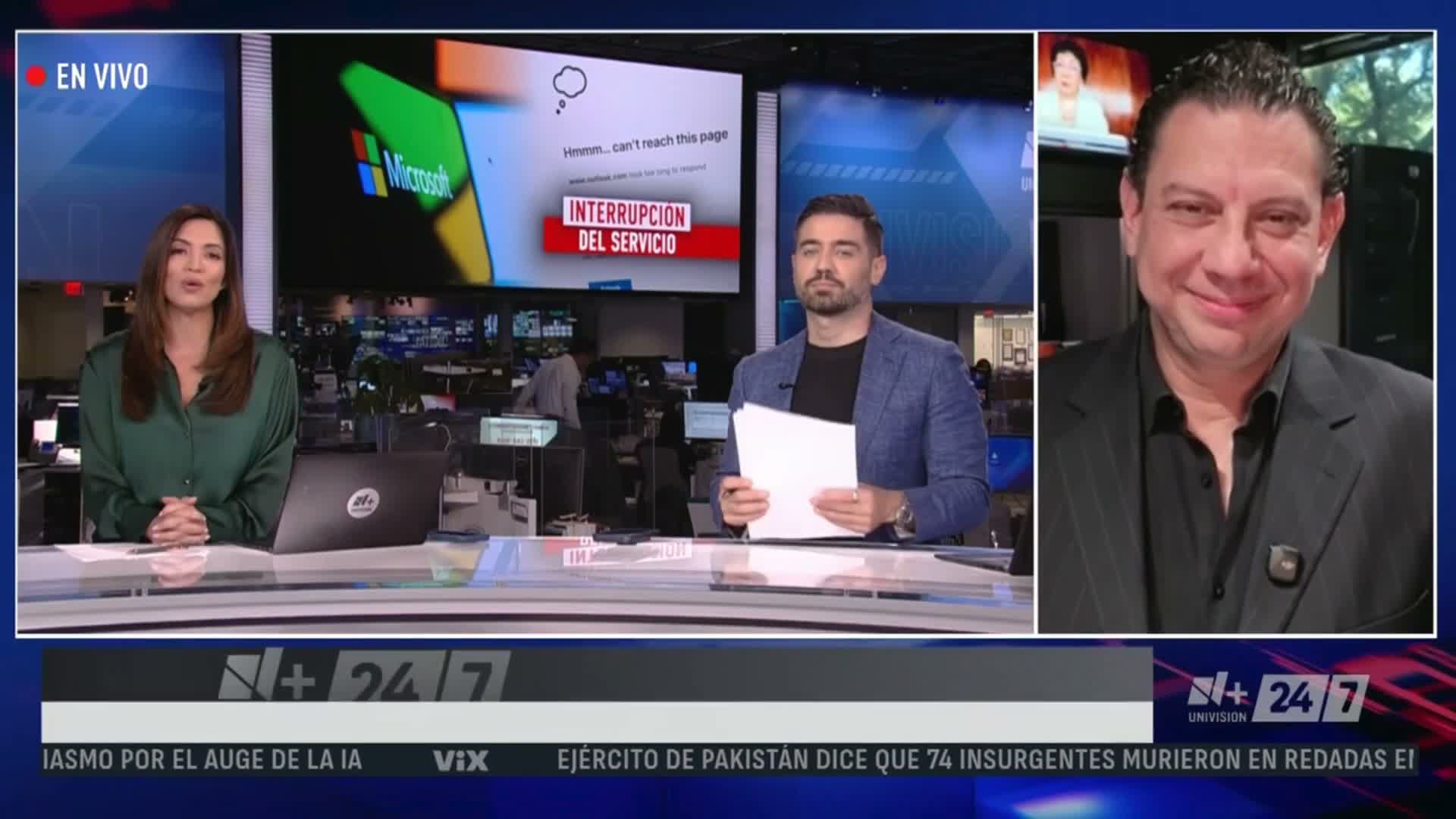
During my latest Fox television interview, we discussed reported intermittent communications problems at the National Security Agency, following technology disruptions involving Microsoft, the Federal Aviation Administration, major financial institutions, United Airlines and Apple Pay.
Are these incidents independent, or could some of them share a common technological cause?
Could a cyberattack be involved?
And most importantly, what should American consumers do to protect themselves?
NSA Communications Outage Raises New Questions
During the interview, Fox reported that a classified communications network at the National Security Agency was experiencing intermittent outages.
According to the information presented during the broadcast, critical communications remained intact.
The reported disruption came amid a series of technology problems affecting different sectors of the American economy.
Organization or sectorReported disruption discussed during the interviewMicrosoftEmail and technology servicesFAAAir traffic infrastructureMajor U.S. banksDigital banking and financial servicesUnited AirlinesAirline technology systemsApple PayDigital payment servicesNSAIntermittent classified network communications
The proximity of these incidents deserves examination. However, it does not establish that they share a common cause.
Is the United States Experiencing a Coordinated Cyberattack?
During my interview, I explained that certain characteristics of these disruptions are consistent with what can occur during cyberattacks against critical infrastructure.
Cyberattacks can target the availability of services, disrupt communications and interfere with business operations.
However, similar consequences can result from hardware failures, software defects, configuration errors and other technical problems.
My assessment is that the possibility of a connection between some of these incidents deserves investigation.
It is important to emphasize that this is a hypothesis, not a confirmed conclusion.
Establishing whether a coordinated cyberattack occurred requires technical evidence and a thorough investigation.
Why Technology Outages Can Spread Across Industries
One of the challenges facing modern technology infrastructure is the increasing dependence on shared service providers.
Financial institutions, airlines, government agencies and private businesses rely on combinations of cloud computing, networking, authentication and communications services.
When a shared component experiences problems, multiple organizations may experience disruptions.
Microsoft, for example, provides technology services used across numerous industries.
However, the fact that several organizations use Microsoft products does not establish that their respective outages originated from the same system.
Understanding these dependencies requires examining the specific services and infrastructure involved.
Could Banking Outages Affect Apple Pay?
During the interview, we also discussed reported Apple Pay disruptions and whether they could potentially be connected to banking problems.
Digital payment platforms depend on relationships between financial institutions, payment networks and technology providers.
When a financial institution experiences technical difficulties, some transactions involving that institution may be affected.
However, Apple Pay can also experience disruptions unrelated to individual banks.
Determining the exact cause requires information from the organizations responsible for processing the affected transactions.
For consumers, an unsuccessful payment does not necessarily mean their financial information has been compromised.
Should Americans Be Worried About Their Money?
My first recommendation during the interview was to remain calm.
Temporary interruptions can prevent consumers from accessing online banking, completing payments or transferring money.
However, losing access to a banking application does not automatically mean that the money in an account has disappeared.
Consumers should monitor their accounts, verify transaction activity and contact their financial institutions if they notice anything unusual.
It is also important to recognize that the long-term consequences of any specific incident depend on its actual cause and scope.
What Should You Do If You Are Locked Out of Your Bank Account?
During technology outages, consumers may repeatedly attempt to access their online banking accounts.
This can sometimes create additional problems.
Financial institutions use security mechanisms designed to identify suspicious login activity and protect customer accounts.
Repeated unsuccessful login attempts may trigger additional authentication requirements or temporary account restrictions.
If you experience problems accessing your account:
Avoid repeatedly entering your credentials.
Check your bank's official application or website for service updates.
Contact your bank using the telephone number printed on your card.
Never provide your password or verification codes to an unsolicited caller.
Review your account activity once access has been restored.
These simple steps can help prevent unnecessary complications and reduce your exposure to fraud.
Artificial Intelligence Is Making Holiday Scams More Convincing
One of the most important topics we discussed during the interview was the increasing sophistication of scams powered by artificial intelligence.
Cybercriminals can use AI tools to generate convincing messages, imitate voices and create fraudulent websites that resemble legitimate businesses.
Traditional warning signs, such as spelling mistakes or poorly written messages, are becoming less reliable.
Consumers should not assume that a professional-looking email or a familiar-sounding voice is authentic.
During periods of technology disruptions, criminals may impersonate banks and other organizations by claiming that customers need to verify their accounts or restore access to their services.
These messages can appear particularly convincing when consumers are already experiencing legitimate technical problems.
Black Friday and Cyber Monday: A Critical Time for Cybersecurity
The holiday shopping season creates additional opportunities for online fraud.
Consumers are making more purchases, receiving more delivery notifications and responding to promotional messages.
Criminals can exploit these activities by creating fraudulent offers, impersonating retailers and sending fake package delivery notifications.
Common holiday scams include:
Fraudulent shopping websites.
Fake discounts and promotional offers.
Package delivery phishing messages.
Bank account verification scams.
AI-generated voice impersonation.
Fraudulent customer service representatives.
Identity theft attempts.
The best defense is to verify communications independently rather than trusting unexpected messages.
Credit Cards Versus Debit Cards: Which Offers Better Protection?
During my Fox interview, I recommended using credit cards whenever practical for online purchases.
One reason is that fraudulent debit card transactions can directly affect the funds available in a consumer's bank account.
Credit cards generally provide strong protections against unauthorized transactions, although specific protections and procedures vary.
Debit cards also have legal protections, but the timing of fraud reporting can affect a consumer's liability.
Regardless of the payment method, unauthorized transactions should be reported immediately.
Consumers should also consider enabling transaction alerts and reviewing their financial statements regularly.
Can a Separate Debit Card Reduce Your Exposure?
Another strategy discussed during the interview was using a separate account or prepaid debit card for discretionary online purchases.
Maintaining a limited balance in an account dedicated to online shopping may reduce the amount of money immediately exposed if payment credentials are compromised.
However, prepaid cards may offer different protections depending on their terms, registration status and applicable regulations.
Consumers should understand the protections associated with any financial product before using it.
Should You Keep Emergency Cash at Home?
Temporary banking and payment disruptions illustrate the importance of having alternative ways to complete essential transactions.
Keeping a reasonable amount of emergency cash in a secure location may be helpful when electronic payment systems are temporarily unavailable.
It is also useful to have more than one payment method available.
Emergency preparedness does not require withdrawing large amounts of money or making decisions based on social media rumors.
The objective is simply to maintain reasonable alternatives when technology is temporarily unavailable.
Identity Theft Monitoring and Credit Freezes
Identity theft monitoring services can alert consumers to certain suspicious activities involving their personal information.
However, these services cannot prevent every form of identity theft.
Consumers can also take advantage of free credit freezes through the three major U.S. credit reporting agencies.
A credit freeze can help prevent unauthorized individuals from opening certain new credit accounts in your name.
Other important precautions include:
Using unique passwords or passkeys.
Enabling multifactor authentication.
Monitoring financial accounts.
Reviewing credit reports.
Keeping devices updated.
Avoiding unsolicited requests for personal information.
These measures should be part of an ongoing cybersecurity strategy.
Ten Ways to Protect Yourself During the Holidays
Shop directly through trusted retailer websites and applications.
Avoid clicking on unexpected text messages and emails.
Verify unusual requests for money through a separate communication channel.
Never share banking verification codes.
Enable transaction alerts.
Use credit cards when practical and appropriate.
Monitor your bank and credit card accounts.
Use unique passwords and multifactor authentication.
Maintain alternative payment methods for emergencies.
Educate family members about AI-generated scams and voice cloning.
Cybersecurity is particularly important for families with relatives who may be unfamiliar with emerging fraud techniques.
Discussing these threats before an incident occurs can help everyone respond more effectively.
My Conclusion: Stay Prepared, Not Afraid
The recent technology disruptions discussed during my Fox interview raise important questions about America's dependence on interconnected digital infrastructure.
The possibility that some incidents share a common cause deserves investigation, but a coordinated cyberattack has not been established.
For consumers, the most important immediate priority is protecting personal information and financial accounts.
Artificial intelligence is making fraudulent communications more convincing, and criminals can exploit uncertainty surrounding technology disruptions.
We should remain vigilant without allowing fear to dictate our decisions.
Cybersecurity and emergency preparedness should be permanent habits, not temporary reactions to alarming headlines.
Stay informed. Stay calm. Stay protected.
I'm Juan Guevara Torres, your technology expert and two-time Emmy-nominated journalist.
Follow me: @JuanGuevaraTV