
Juan Guevara analiza los riesgos de la inteligencia artificial, las respuestas incorrectas y la privacidad. Una conversación para distinguir capacidades actuales de escenarios hipotéticos y utilizar estas herramientas con mayor criterio.

Apple entra al mercado de los teléfonos plegables con el iPhone Duo, un dispositivo de $1,999 que busca competir con la experiencia acumulada por Samsung y otros fabricantes. Juan Guevara y Rodrigo Pacheco analizan sus posibilidades, sus diferencias frente al iPhone 18 Pro Max y la rivalidad entre los ecosistemas iOS y Android.
Desde Apple Highland Village, Juan Guevara analiza las expectativas y rumores que rodean el evento de Apple del 9 de septiembre de 2026, incluyendo la posible familia iPhone 18, un supuesto iPhone plegable, novedades para Apple Watch y futuros AirPods con inteligencia artificial. Los nombres, precios y características filtrados no deben considerarse oficiales hasta que Apple los confirme.

Texas authorities are warning families about a social media trend involving AI-generated and digitally altered Cat in the Hat videos containing apparent threats. Juan Guevara explains why fabricated posts can create real fear—and potentially lead to school discipline, investigations, or criminal charges.

Juan Guevara explains how AI-generated deepfakes are being used in digital fraud, identity theft, and social engineering attacks, while sharing practical cybersecurity tips to help individuals better protect their digital identities.

Juan Guevara explains how online predators use social media to target minors and shares practical cybersecurity tips to help parents protect their children from grooming, sextortion, and other digital threats.

Juan Guevara explains the autonomous AI cybersecurity incident involving OpenAI and Hugging Face, exploring what happened, why it matters, and why human oversight remains essential as artificial intelligence becomes increasingly autonomous.
Juan Guevara explores how artificial intelligence, communication apps, and therapeutic robotics are helping children and adults on the autism spectrum develop communication, learning, and social interaction skills while supporting greater independence.

Can artificial intelligence predict the next World Cup champion? Juan Guevara compares predictions generated by ChatGPT, Claude, and Gemini after analyzing tournament statistics, team performance, and historical data to explore how AI is changing sports analytics.

Juan Guevara explains how Starlink satellite internet is helping people stay connected during hurricanes, floods, earthquakes, and other emergencies, providing critical communications when traditional networks fail.

Android smartphones can detect earthquakes before people feel them by using millions of devices as a global sensor network. Learn how to activate earthquake alerts and why this technology can provide valuable seconds during an emergency.

Visa and OpenAI are introducing a new AI-powered shopping experience that allows ChatGPT to search, compare, and complete purchases on behalf of users. Juan Guevara examines the opportunities and risks behind autonomous AI commerce.

California has launched DROP, a free digital privacy tool that allows residents to request the permanent removal of their personal information from hundreds of data broker databases.

Anthropic has suspended access to some of its most advanced AI models following national security concerns raised by the U.S. government, sparking a global debate about AI regulation and cybersecurity.

Visa is partnering with AI platforms like ChatGPT to enable autonomous purchases on behalf of users. While convenient, the technology raises important questions about privacy, security, and financial control.

Apple unveiled Siri AI, a completely redesigned intelligent assistant built to deliver more natural conversations, deeper context awareness, and tighter integration across the Apple ecosystem.

Apple’s next-generation AI-powered Siri aims to deliver smarter interactions, improved contextual awareness, and stronger privacy protections as the company seeks to compete in the rapidly evolving AI landscape.
Reporting from Computex 2026 in Taipei, Juan Guevara explores the next wave of artificial intelligence, autonomous computing, humanoid robotics, and AI-powered gaming technologies that are expected to transform everyday life.
Reporting from Tokyo, Juan Guevara explores how autonomous AI, humanoid robots, and intelligent agents are reshaping the future of technology and raising new questions about privacy and human-machine interaction.
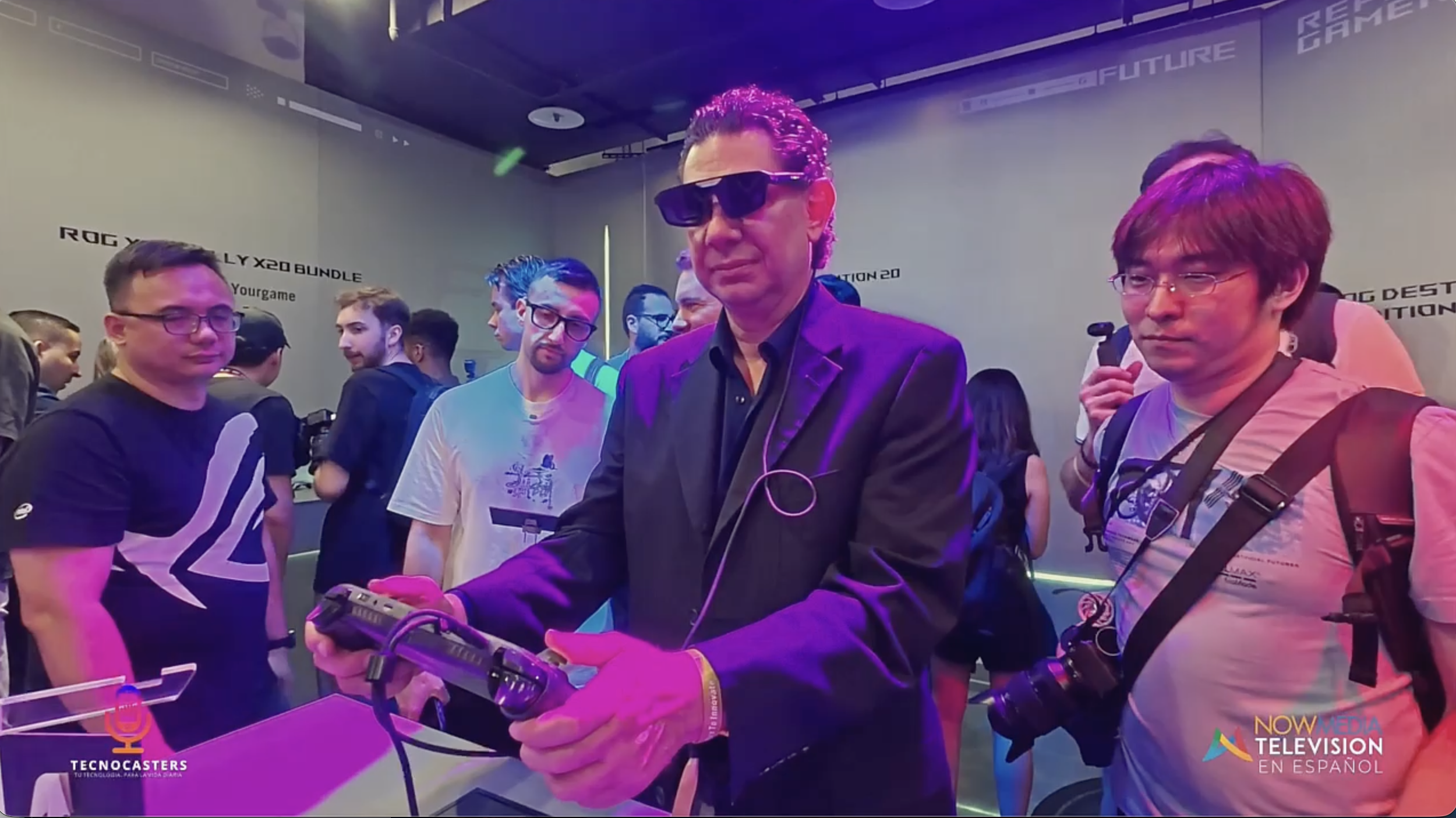
At Computex 2026, ASUS unveiled the new ProArt P16 powered by NVIDIA RTX Spark, bringing autonomous AI agents directly into personal computing while redefining content creation and productivity.

From COMPUTEX 2026 in Taiwan, Juan Guevara explores NVIDIA’s RTX Spark, humanoid robots, and the AI-powered technologies that are reshaping the future of computing.

At Computex 2026 in Taipei, Juan Guevara demonstrates how humanoid robots are being trained using human motion tracking, showcasing the next generation of AI-powered automation and robotics.

Reporting from Computex 2026 in Taipei, Juan Guevara explores the rise of autonomous AI agents, intelligent robotics, and the technologies that could redefine the relationship between humans and machines.

Juan Guevara reports from Computex 2026 in Taipei, Taiwan, where the world’s leading technology companies are unveiling the innovations that will shape the future of artificial intelligence and computing.
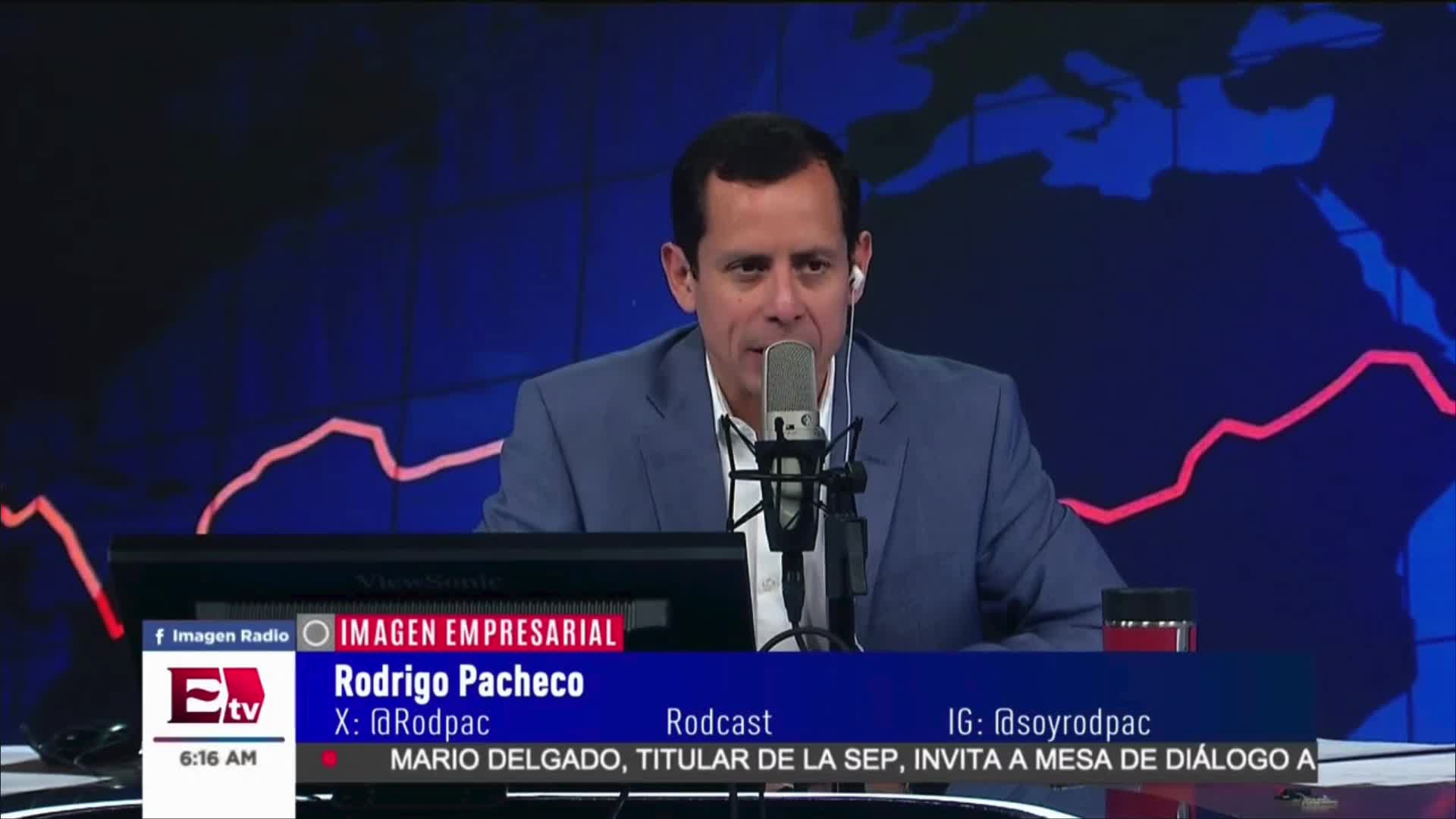
Reporting from Computex 2026 in Taipei, Juan Guevara explores the rise of autonomous AI agents, NVIDIA’s latest AI hardware, and the technologies that could redefine the future of personal computing.

Reporting from Computex 2026 in Taipei, Taiwan, Juan Guevara provides an inside look at the technologies and AI innovations that will shape the future of consumer and business technology.

Reporting from Taipei, Taiwan, Juan Guevara takes viewers inside Computex 2026, where the world’s leading technology companies are unveiling the next generation of artificial intelligence, computing, and consumer technology.

As the 2026 FIFA World Cup approaches, cybersecurity experts warn of a sharp rise in phishing scams, identity theft, WhatsApp account hijacking, and fake public Wi-Fi networks targeting travelers and fans.

Technology expert Juan Guevara discusses the growing influence of paid social media endorsements in political campaigns and why transparency is essential for maintaining public trust.

Artificial intelligence is making online scams increasingly sophisticated. Juan Guevara explains how criminals can impersonate legitimate businesses, use AI-generated content to create convincing listings, and trick consumers into paying for products that never existed.

Technology expert Juan Guevara explains how digital tools and smart communication strategies can help families reconnect after an earthquake or natural disaster, particularly when cellular networks and Internet services are disrupted or overwhelmed.

Technology can become a lifeline when disaster strikes. Technology expert Juan Guevara explains how emergency communication tools, messaging apps, location services, and satellite Internet like Starlink can help families stay connected when traditional networks fail.

OpenAI is expanding ChatGPT’s protections for teenagers with age prediction, additional safeguards for sensitive content and parental controls. Juan Guevara explains what these changes mean for teens, parents and the future of AI at home and in education.

Can an AI-generated bomb threat be traced? Technology expert Juan Guevara explains why law enforcement must initially treat these communications as credible threats and how digital evidence could potentially help investigators identify the person behind them.
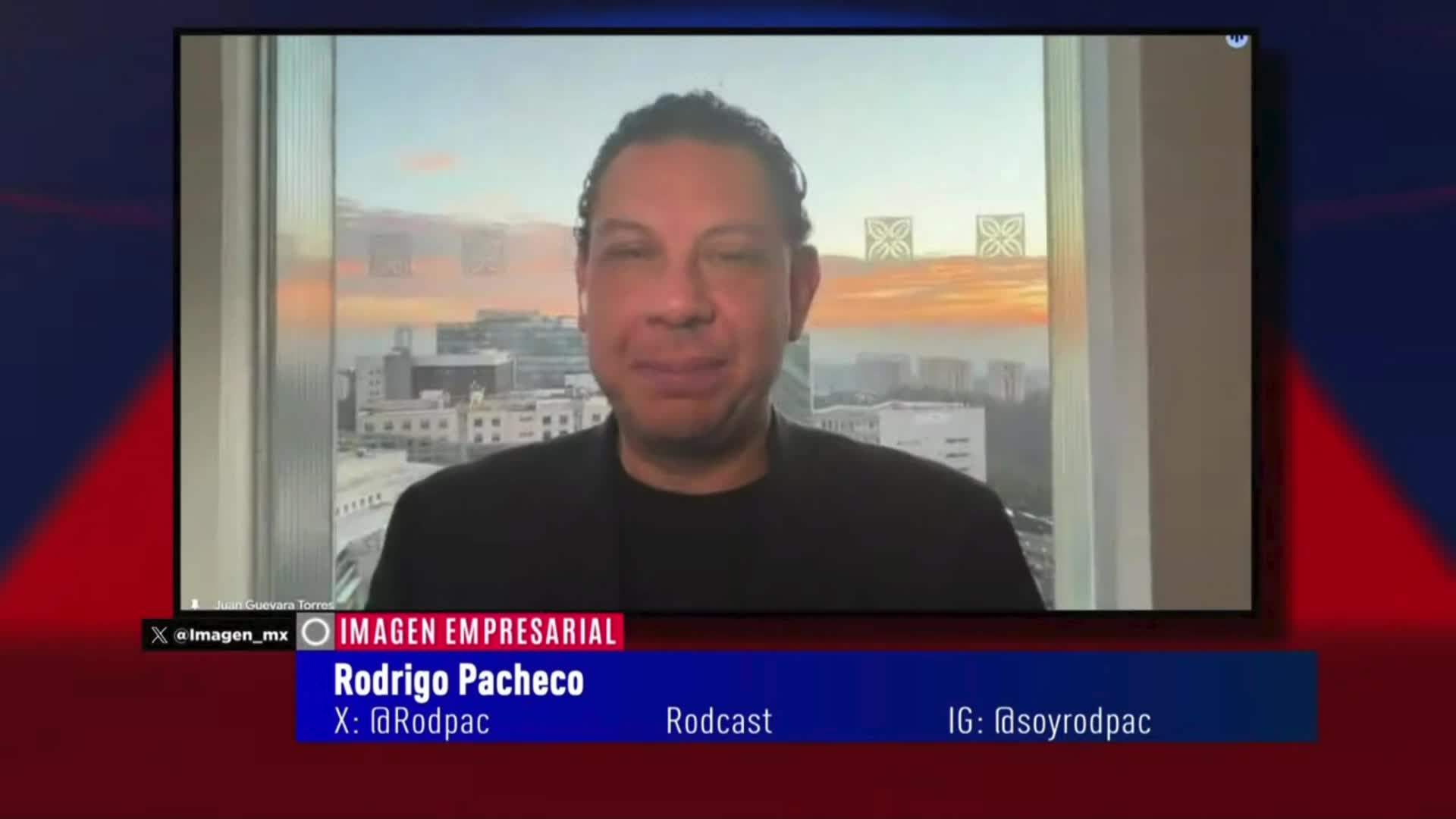
Open-source intelligence, or OSINT, can transform publicly available information into surprisingly detailed insights. Technology expert Juan Guevara explains how social media, public records and our broader digital footprint can reveal patterns about individuals, organizations and even governments.

Maryland is introducing chip-enabled EBT cards for SNAP recipients as part of an effort to combat payment fraud. Technology expert Juan Guevara explains how EMV and contactless payment technology can provide additional security compared with traditional magnetic-stripe cards.
