$1 MILLION in Fake Batteries Seized in Houston: Could Yours Explode?
By Juan Guevara | Technology Expert & Journalist
HOUSTON, TEXAS — Nearly $1 million worth of counterfeit lithium batteries were seized by U.S. Customs and Border Protection in Houston, raising concerns about counterfeit electronics and the potential safety risks associated with improperly manufactured battery products.
According to a Houston television news report by Leslie De La Rosa, customs officers intercepted a shipment containing 290 cartons of lithium batteries labeled EZ Cruiser.
The batteries reportedly displayed the Bluetooth trademark without authorization.
After consulting trademark representatives, customs officers seized the shipment.
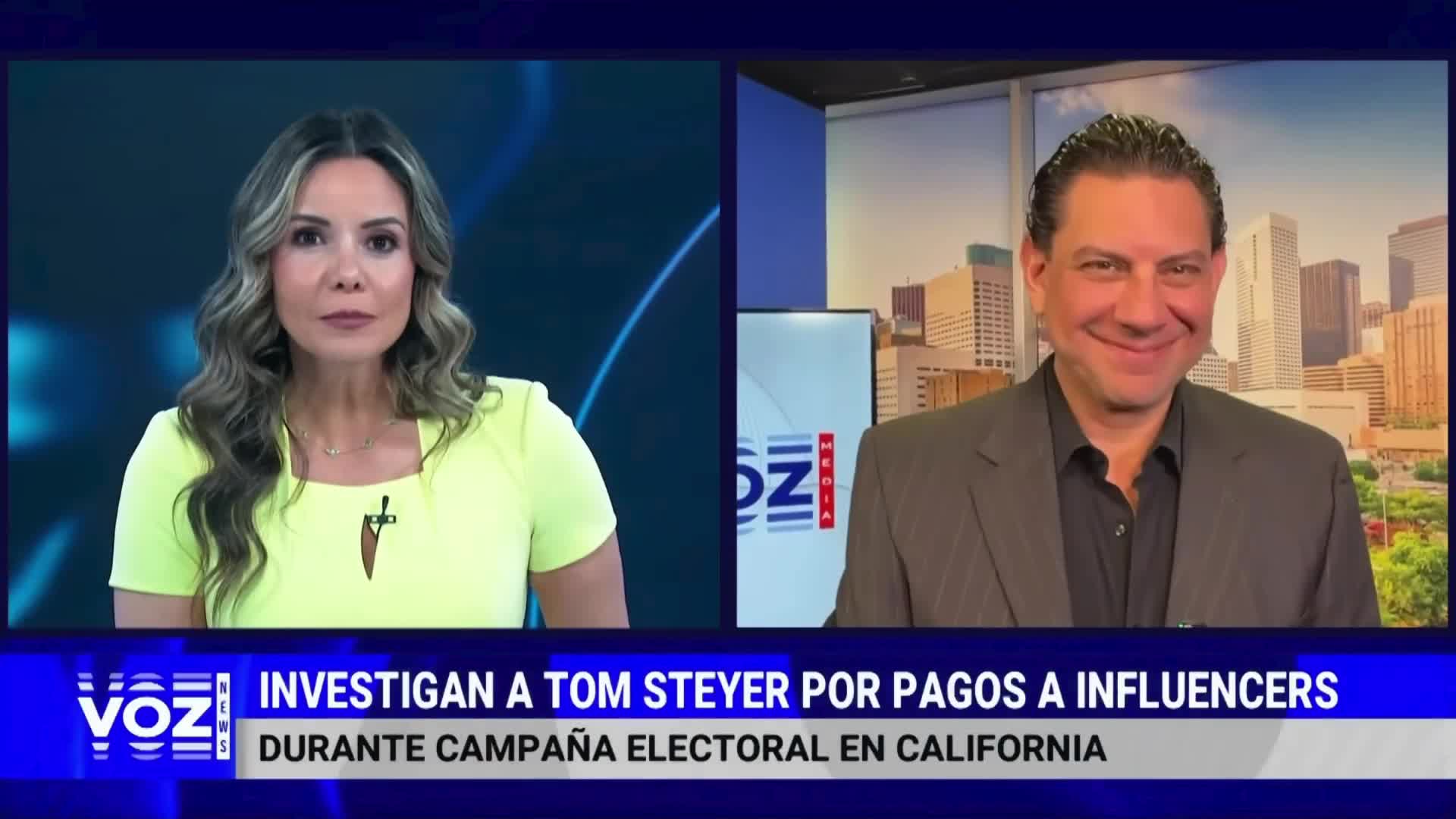
I was interviewed for the report to explain why counterfeit electronics can present more than an intellectual property concern.
In certain circumstances, poorly manufactured lithium batteries can become a serious fire hazard.
Why Were the Lithium Batteries Seized in Houston?
According to the report, U.S. Customs and Border Protection identified lithium batteries bearing the Bluetooth trademark without authorization.
The Bluetooth logo is a protected trademark associated with the Bluetooth technology ecosystem.
Manufacturers must follow applicable trademark and qualification requirements to use the branding legitimately.
Unauthorized use of the logo can indicate a violation of intellectual property rights.
In this case, customs officers reportedly consulted trademark representatives before seizing the shipment.
The report placed the shipment's estimated value at nearly $1 million.
Importantly, the reported trademark violation does not independently prove that every seized battery was defective or unsafe.
Nevertheless, counterfeit branding can raise questions about product authenticity, manufacturing oversight, and traceability.
Why Can Counterfeit Lithium Batteries Be Dangerous?
Lithium batteries are widely used in smartphones, laptops, portable electronics, electric mobility devices, and rechargeable accessories.
When properly designed, manufactured, and used, they provide an efficient source of portable energy.
However, lithium batteries also contain substantial stored energy.
If a battery is damaged, improperly manufactured, overcharged, or inadequately protected, it can overheat or experience a failure known as thermal runaway.
Thermal runaway occurs when rising internal temperatures trigger reactions that generate additional heat.
In severe cases, this process can result in smoke, fire, or violent battery failure.
During my interview, I explained that counterfeit electronics can present significant risks when manufacturers fail to follow appropriate safety specifications.
The concern is not simply whether a product works.
It is whether the product has been designed and tested to operate safely.
Why Are Counterfeit Electronics Sometimes So Cheap?
One of the warning signs I discussed during the report was unusually low pricing.
Counterfeit products may be sold at prices significantly below those of authentic products.
There are several possible reasons for these differences.
Some unauthorized manufacturers may avoid licensing costs, quality assurance procedures, or independent testing.
Others may use lower-quality components or inadequate protective circuitry.
However, a low price alone does not prove that a product is counterfeit.
Legitimate discounts, clearance sales, and refurbished products can also cost less than new items.
Consumers should evaluate price together with the seller's reputation, product documentation, warranty, and manufacturer information.
Can You Trust Batteries Purchased Online?
Online marketplaces offer convenience and access to a wide range of electronics.
However, consumers should understand that a familiar marketplace name does not guarantee the authenticity of every product offered through third-party sellers.
During the television report, I encouraged consumers to choose reputable retailers rather than unknown sellers.
That remains an important recommendation.
But it is also essential to verify who is actually selling and fulfilling the order.
A product listed on a major marketplace may be sold by an independent third party.
Consumers should review the seller's identity, return policy, manufacturer information, and product specifications before purchasing.
Whenever possible, replacement batteries should be purchased directly from the manufacturer or an authorized distributor.
Five Warning Signs of a Potentially Counterfeit Battery
There are several indicators consumers should consider before purchasing lithium batteries.
1. An unusually low price
If a battery costs dramatically less than comparable products, investigate why.
2. An unknown or unverifiable seller
Be cautious when a seller provides little information about its business, location, or product sourcing.
3. Missing manufacturer information
Authentic products should generally provide identifiable manufacturer and model information, along with relevant specifications.
4. Questionable safety markings
Look for applicable safety certifications and verify them when possible. Logos and certification marks can themselves be counterfeited.
5. Poor packaging or inconsistent labeling
Spelling errors, inconsistent model numbers, low-quality printing, and unusual packaging may warrant additional scrutiny.
None of these signs independently proves that a battery is counterfeit, but they can help identify purchases that deserve closer examination.
What Safety Certifications Should Consumers Look For?
Battery safety requirements depend on the product category and intended application.
For example, certain batteries and electrical products may be evaluated against standards developed by organizations such as UL.
Relevant standards can vary based on whether the battery is intended for consumer electronics, mobility equipment, or another application.
Consumers should avoid assuming that every printed certification mark is legitimate.
When possible, verify certification information through the issuing organization or the product manufacturer's official documentation.
The most important considerations are compatibility, traceability, appropriate testing, and purchasing through trustworthy channels.
What Should You Do if Your Battery Starts Swelling or Overheating?
A swollen, unusually hot, leaking, or damaged lithium battery should be treated as a potential safety hazard.
Stop using and charging the device.
Do not puncture, crush, or attempt to open the battery.
If it can be done safely, keep the device away from combustible materials.
If the battery is smoking, hissing, or showing signs of imminent failure, move away and contact emergency services.
Do not place damaged lithium batteries in ordinary household trash.
Follow local hazardous-waste or battery-recycling guidance, and contact an appropriate facility for instructions on handling damaged batteries.
Why Counterfeit Electronics Are a Bigger Consumer Protection Issue
The Houston seizure is part of a broader concern involving counterfeit consumer products.
The television report noted that customs officers have also encountered counterfeit watches, toys, and other merchandise.
When counterfeit products involve electronics, the consequences can extend beyond financial losses to legitimate manufacturers.
Depending on the product and its construction, consumers may face electrical, thermal, or fire hazards.
Counterfeit electronics can also create difficulties involving warranties, recalls, and accountability when a product fails.
This is why supply chain transparency and product verification matter.
My Advice: Don't Sacrifice Safety to Save a Few Dollars
When purchasing replacement batteries or electronic accessories, I recommend taking a few precautions.
Start by checking the manufacturer's official website to identify the correct product.
Whenever possible, purchase directly from the manufacturer or an authorized retailer.
Verify the seller's identity when using online marketplaces.
Compare prices with established retailers, and be skeptical of deals that appear dramatically below normal market value.
Check product compatibility and look for credible safety documentation.
Finally, stop using any battery that shows signs of damage, swelling, or abnormal heating.
My Conclusion: Counterfeit Batteries Are Not Worth the Risk
The seizure of nearly $1 million worth of counterfeit lithium batteries in Houston highlights the importance of product authenticity and consumer awareness.
Although the reported trademark violation does not establish that the seized batteries were defective, counterfeit electronic products can create serious safety concerns when proper manufacturing and testing standards are not followed.
The most important lesson for consumers is to know what they are buying and where it comes from.
A lower price may seem attractive, but it should never replace verification of product quality, compatibility, and safety.
I'm Juan Guevara, your technology expert.
@JuanGuevaraTV