How Political Campaigns Got Your Phone Number—and How to Stop the Texts
How Political Campaigns Get Your Phone Number—and Why the Text Messages Keep Coming
By Juan Guevara Torres | Technology Expert & Journalist
Political campaign text messages have become a familiar frustration for millions of Americans.
From campaign flyers arriving in the mailbox to text messages appearing on smartphones, voters are increasingly surrounded by political outreach.
But one question continues to trouble consumers: How did these organizations obtain their personal contact information?
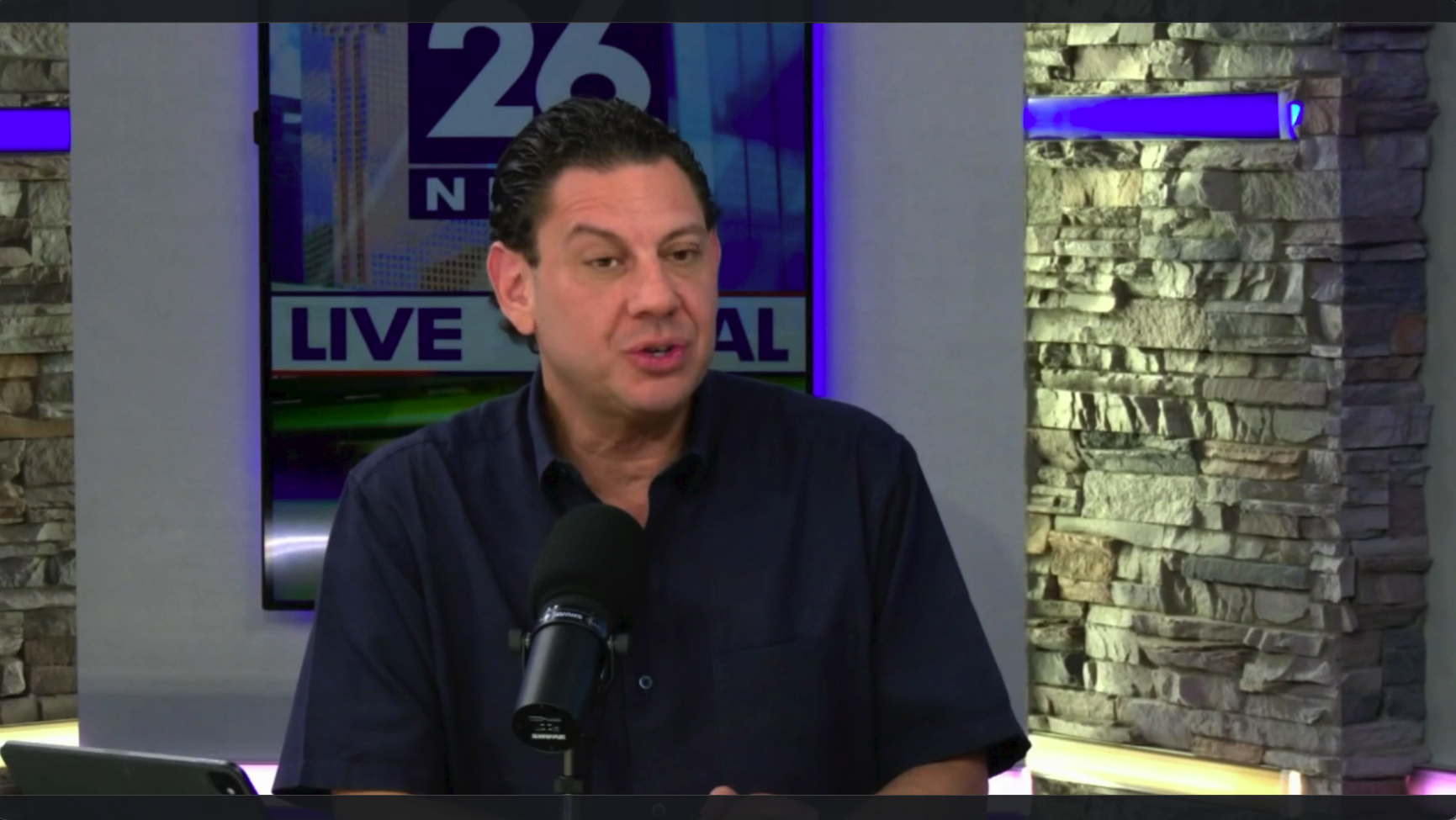
During a FOX News report, I explained how data brokers contribute to the collection and distribution of personal information that can be used for targeted political messaging.
What are data brokers?
Data brokers are companies that collect, aggregate, analyze, and distribute information about individuals.
Their business model revolves around combining information from different sources to build detailed consumer profiles.
These profiles may include names, phone numbers, home addresses, demographic information, and other identifying details.
Some companies collect information from publicly available records, while others obtain data through commercial partnerships, marketing databases, or online services.
The information can then be licensed or sold to organizations interested in reaching particular audiences.
How political campaigns use personal information
Political campaigns rely on different sources to identify and communicate with voters.
These can include voter registration records, campaign contact lists, information provided directly by supporters, and commercially available datasets.
Data brokers may help campaigns match names with phone numbers, addresses, or other details.
This information can make political text messages feel unusually personal.
In some cases, a campaign may already know a voter's name or geographic location before sending a message.
However, not every political text originates from a data broker. Campaigns can obtain contact information through several different channels.
Why the messages can feel so personal
Modern data systems can combine information from multiple sources into a single profile.
For example, a person's name and address may be associated with a telephone number and other commercially available information.
Organizations can use this information to segment their outreach and tailor communications to different audiences.
This does not necessarily mean that a campaign knows everything about an individual.
However, the combination of multiple data points can create the impression that the sender has extensive personal knowledge.
Can you remove your information from data brokers?
Many data brokers provide processes through which consumers can request removal of certain personal information.
These procedures vary by company and by applicable state privacy laws.
Some consumers choose to submit requests directly.
Others use commercial privacy removal services that help identify data brokers and submit removal requests on their behalf.
These services can reduce the time and effort involved in managing multiple requests.
However, no service can guarantee that every copy of someone's personal information will disappear.
Why your information can reappear
One of the biggest challenges is that personal information exists across numerous databases.
A successful removal request may delete or suppress information from one company, but copies may still exist elsewhere.
Some databases are also updated regularly using new information.
As consumers continue shopping online, registering for services, or interacting with businesses, additional information may enter the commercial data ecosystem.
That means protecting privacy often requires ongoing monitoring and repeated requests.
Will removing your data stop political texts?
Not necessarily.
Political campaigns may already possess contact lists that were obtained before a removal request.
They may also obtain phone numbers from other sources, including voter records, supporter databases, and previous campaign outreach.
Removing information from one data broker does not automatically remove it from those separate systems.
Consumers should therefore combine data removal with other privacy measures.
Practical ways to reduce unwanted political messages
Opt out of legitimate campaign lists. If you recognize the sender as a legitimate political organization, replying STOP can request removal from that messaging list.
Report suspicious texts. Forward unwanted or suspicious messages to 7726, the number used by participating wireless carriers to receive spam reports.
Use phone filtering tools. iPhone and Android devices offer options to block numbers and filter messages from unknown senders.
Request data broker removal. Identify companies that maintain your personal information and review their opt-out procedures.
Be cautious about sharing your number. Before providing contact information to online services, review whether it may be used for marketing or shared with third parties.
If a message appears fraudulent, avoid clicking links or providing sensitive information.
A privacy issue that extends beyond politics
The commercial data industry does not exist exclusively to support political campaigns.
Consumer profiles are also used in advertising, marketing, identity verification, and other business activities.
That means the privacy concerns raised during election season extend into everyday digital life.
The more personal information that circulates through commercial databases, the more difficult it can become for individuals to understand who has access to their information.
Protecting digital privacy requires awareness, practical safeguards, and continued attention to how personal information is collected and shared.
Your personal data has value. Understanding how it is used is an essential part of protecting your digital identity.
Juan Guevara Torres
Technology Expert & Journalist
@JuanGuevaraTV